
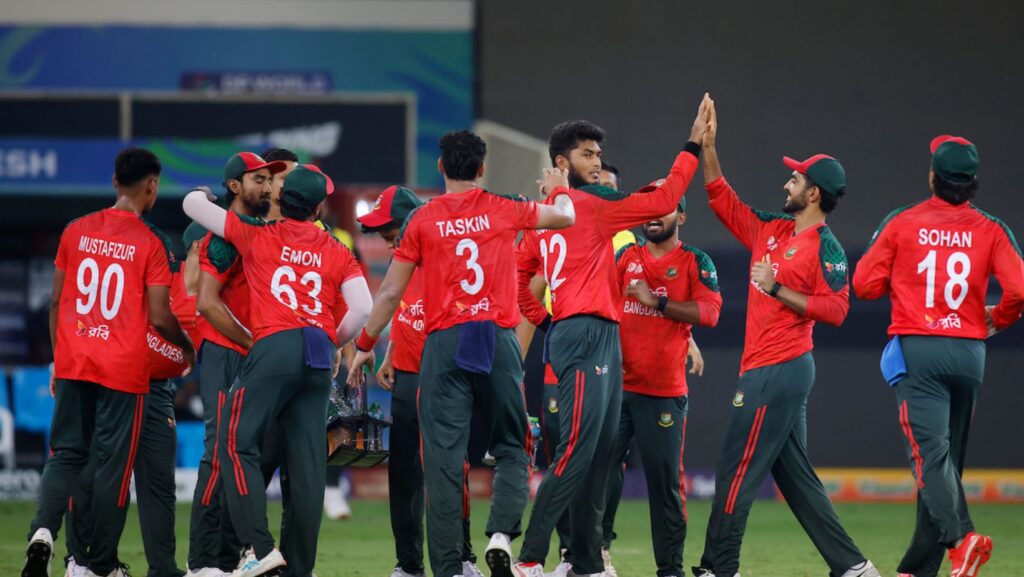
Indian sport is no longer something fans only watch on television at a fixed hour. It now lives on phones, apps, social feeds, fantasy platforms, short videos, and interactive streams. For audiences in Bangladesh, where cricket shapes everyday conversation, this shift changes how matches are followed, how players are understood, and how media brands keep fans engaged long after the final whistle or last ball.
Digital Revolution in Indian Sports: Streaming, Fans, and New Media Quick Answer
Sport is becoming more mobile, personal, and interactive. Fans can stream matches across devices, follow players on social media, use live stats, join fantasy formats, and explore AR or VR features that make viewing more engaging than traditional broadcasting alone. Why this shift feels bigger than a normal media trend
Fans no longer wait for sport to come to them. They choose when to watch, where to watch, and how deeply to engage. Streaming platforms challenge traditional broadcasting by making sports available on demand and across devices. This flexibility expands audiences beyond television viewers and fits modern schedules, especially for younger fans who move between mobile screens, social apps, and short-form video.

For beginners, interactive streams offer multiple camera angles, real-time statistics, and layered viewing options, allowing fans to start with the basics and learn gradually. Online discussions, including fantasy platforms, highlight how clips, instant reactions, and data snapshots now shape the way matches are followed.
Streaming turned sport into an anytime experience
In the old model, broadcasters controlled the experience. Now fans have much more control: live viewing, replay, highlights, score widgets, and social commentary. Streaming personalises the experience with key moments, statistical overlays, alternate camera feeds, or live reactions. Fragmentation across platforms can be a challenge, but overall flexibility improves engagement.
Social media changed the relationship between players and fans
Athletes maintain active social media profiles, sharing training clips, travel moments, celebrations, and personal reflections. This humanises players and builds emotional connection. Fans often feel invested because they see the person, not just the performer.
However, social media also exposes athletes to criticism and mental pressure. Organisations increasingly provide support to help players manage online presence safely.
AR, VR, and XR are pushing fan experience beyond the screen
AR and VR immerse fans inside interactive, computer-generated environments. The global AR/VR market, valued at USD 31.5 billion in 2022 and expected to reach USD 220.5 billion by 2028, demonstrates the scale of this shift.
Examples include the Los Angeles Rams integrating AR to explore virtual locker rooms, and the NBA offering 360-degree virtual game attendance. These innovations hint at future directions for cricket, football, and kabaddi coverage in India.
New media is not just content, it is participation
Digital platforms turn fans into paripesa. Fantasy cricket gamifies engagement, letting fans build virtual teams and earn points based on real performances. Behind-the-scenes content, training footage, and vlogs deepen connections while educating fans about player routines and match strategies.
What beginners now get from digital sports media
- Live access across phones, tablets, and laptops
- Real-time statistics for context
- Short highlights for quick catch-up
- Direct player updates via social media
- Fantasy formats for interactive learning
- Behind-the-scenes content that adds context
Data made fans smarter, but it also raised the bar
Instant analytics allow fans to engage more deeply and discuss matches with better understanding. Yet, too much data can overwhelm newcomers. Successful digital platforms present information in layers—key numbers for beginners, deeper insights for advanced fans.
Brands and creators are adapting at the same time
AR and VR create new marketing opportunities. Brands can offer experiences instead of just placing logos. For example, Adidas used AR to let fans virtually try on shoes at soccer matches, increasing engagement and driving sales. Web-based XR further broadens reach without specialized hardware.
Why this matters for Bangladesh audiences following Indian sport
Fans in Bangladesh now follow Indian cricket and other sports through live streaming, social media, fantasy contests, and independent analysis. This multi-step engagement improves sports literacy and provides immersive experiences, making sport easier to access, understand, and enjoy.
FAQ
Q: How has streaming changed sports viewing for beginners?
A: Streaming lets beginners watch matches on their own schedule and across devices, with features like highlights, multiple angles, and live stats.
Q: Why is social media so important in modern Indian sports?
A: It gives fans direct access to players and behind-the-scenes moments, creating stronger emotional connections and continuous engagement.
Q: What do AR and VR add to sports media?
A: AR and VR make sports immersive with interactive views, virtual environments, and richer match-day experiences.
Q: Does fantasy cricket help people understand the game better?
A: Yes, fantasy cricket encourages learning about player form, statistics, and strategy, turning passive watching into active participation.
Q: What is the biggest challenge in digital sports media today?
A: Balancing convenience with overload. Fans enjoy more content and tools, but too much information and platform fragmentation can make experiences confusing.