
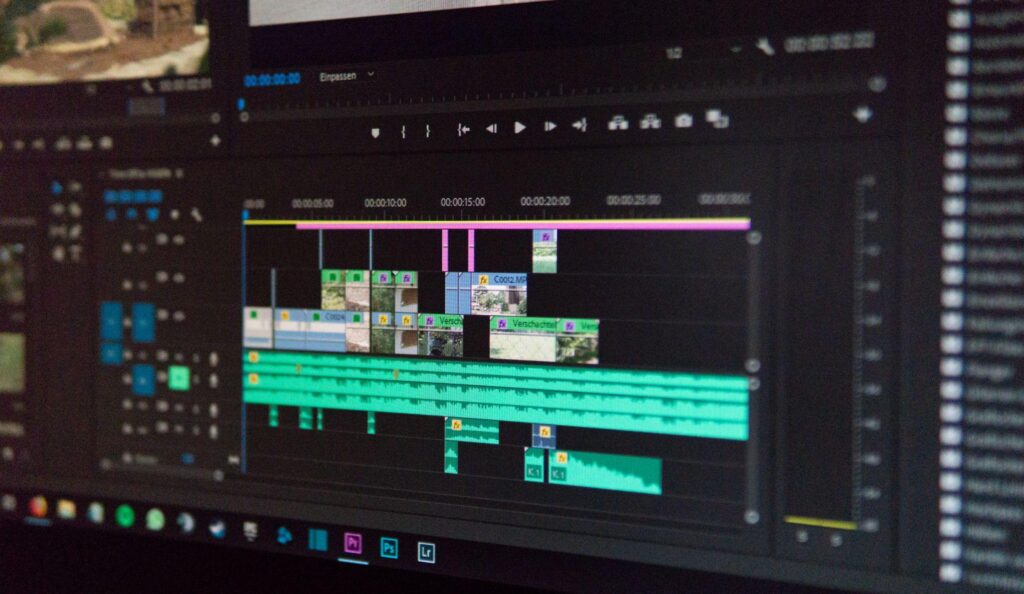
Not all horror needs a screen. Many fans now end the night listening to someone read a scary story aloud, often about a house that should be empty, with their earbuds in and the lights off. Creepypasta readings and first-person accounts shared on online horror forums have found large audiences on YouTube and podcast apps, and many of the narrators are hobbyists with a decent microphone and a basic editing setup. The stories that keep people awake usually share one thing, which is horror sound effects placed carefully around the voice, such as soft footsteps, breaths, low hums and sudden musical jolts. Used with intent, they make one voice feel like a whole haunted room. Piled on without a plan, they bury the narrator and drain the tension that made people press play.
Keep the narrator’s voice in front
In a narrated story, the voice does the job a camera does in a film. It decides what the audience notices, when they notice it and how close they feel to the danger. Every sound placed over the words competes with that job. Wind loud enough to blur the narrator’s consonants, or a low drone that swells under every sentence, makes the plot harder to follow, and effort is the enemy of fear. Listeners get scared when they are absorbed in a story, and straining to hear pulls them out of it.
Use sound for what the narrator doesn’t say
The most effective horror sound effects in narration often describe something the narrator never mentions. A character insists the house is empty, and under that line sits a single footstep on a wooden floor. A quoted phone call carries a barely audible breath on the line, and nobody in the story comments on it. Whoever is listening catches the detail while the narrator seems to miss it, which opens a gap only imagination can fill. That gap is where the chill lives.
The opposite habit weakens a story fast. When the narrator says “there was a knock at the door” and a knock follows immediately, the sound repeats what the words already delivered. Do that a dozen times and the story starts to feel like a radio sketch. Literal sounds work better when they replace words instead of echoing them. Let the narrator stop mid-sentence, leave a short pause, and allow the knock to finish the thought.
Drop the background sound before the scariest line
Most well-made stories run a quiet background layer under the narration, such as the low hum of a room, distant traffic or wind outside a window. Sound editors call this ambience, and it gives the story a sense of place without demanding attention. Its real value appears near the climax. Cut it completely one beat before the key sentence, so the voice suddenly sits in emptiness. People notice the missing sound before they can name it, even through cheap earbuds in a dark bedroom, and the line that follows lands with far more weight.
When the background returns, bring it back slightly changed. Set it a little lower, or add a texture that was not there before, such as a thin whistle of wind or a ticking clock. The change is small enough that few people notice it consciously, yet it signals that something in the story has shifted.
Time stingers so the key words still land
The sudden musical jolts that make people jump are called stingers, and they are the loudest tool in narrated horror. A stinger that hits at the same moment as the key word drowns it out, so the jolt arrives but the reveal gets lost. Place it just after the last syllable instead, in the breath before the next sentence. If the narration runs too tight, open a fraction of a second of space in the edit. Well-timed horror sound effects need that pocket of air to land.
Write the sound cues into the script
Many creators record the narration first and add sound later, then spend hours cutting pauses into a read that never left room for them. A simpler approach is to mark sound cues in the script while writing, with short notes such as “footstep, no mention” or “background out.” The narrator sees each mark and leaves a natural pause, so the performance and the sound are planned together instead of patched together afterwards. It also helps when someone else narrates, because the cues travel with the script.
Give the channel a sound of its own
Narrated horror tends to run as a series, and returning listeners learn a channel’s habits quickly. One small sound used the same way in every episode, such as a single floorboard creak just before the first line, becomes a signal that the dread is about to start. Choose it carefully, because a creak heard on dozens of other channels will never feel like yours. Ocular Sounds creates original horror sound effects, which makes it easier to find a signature that listeners connect with one storyteller. The house in the story may be empty, but the person listening in the dark will not be so sure.